 Guadalajara Tequila Tours
Tequila Distilleries to Visit in Jalisco
Last reviewed September 2026
There are two kinds of Tequila distilleries to visit in Jalisco, and confusing them is how people end up disappointed. The brand houses, La Rojeña under José Cuervo, Casa Sauza, Casa Herradura at Amatitán, run polished visitor operations with published tickets: MX$345 at La Rojeña, MX$380 at Herradura. The small producers, Fortaleza, Cascahuín, El Tequileño, Tres Mujeres, are working floors that take visitors in small numbers, often by reservation and usually through a private tour. This page sorts them by what they offer and how you actually get inside, with the group day trips from Guadalajara mapped against each one.
Quick answer Brand houses take walk-ins. The famous small ones do not
The brand distilleries take walk-ins: La Rojeña's Classic Experience is MX$345 for adults, MX$80 for minors, 45 minutes to an hour, with Mundo Cuervo listing tour hours as 10:00 to 18:00; Casa Herradura's hacienda tour with tastings is MX$380, hourly from 10:00. The small producers do not work that way, Fortaleza has few places per shift and asks you to book ahead, and Cascahuín, El Tequileño and Tres Mujeres are reached mainly on private or group tours. If you have no car, the cheapest route into any distillery at all is a group day trip from $46.
Key takeaways
- La Rojeña, MX$345 adult / MX$80 minor, the walk-in most visitors take
- Casa Herradura at Amatitán, MX$380 with tastings, hourly from 10:00, but hard to reach without a car
- Fortaleza has few spaces per shift and needs booking ahead; it is not a drop-in
- The artisanal floors on the group tours, Tequila Selecto, Tres Mujeres, cost nothing extra beyond the fare
- Museum, not distillery: MUNAT in the town square is MX$20 for adults
The Brand Houses, and What Their Own Tickets Cost
Published prices, fixed hours, and a shop at the end.
La Rojeña, José Cuervo
The oldest distillery in Latin America still in production, working on the same site in the centre of Tequila since 1795, and the one name most visitors arrive knowing. Mundo Cuervo runs a full ladder of experiences from its own site: the Classic Experience at MX$345 for adults and MX$80 for minors, 45 minutes to an hour; the Jose Cuervo Experience at MX$585; a three-hour agave-fields combination at MX$1,305; and specialist sessions from chocolate pairing to bottling your own Reserva de la Familia, up to MX$3,790. Tour hours are listed as 10:00 to 18:00.
It is walking distance from the town square, so it is the realistic target for anyone arriving by bus. The full day built around it is the José Cuervo factory tour at $165, and the Amigo Tours day trip offers it as a paid upgrade.
Casa Herradura, Amatitán
Herradura's home is the Hacienda San José del Refugio, built in 1870 and preserved beside the modern factory, the most striking building any tour on this site enters. The hacienda tour with tastings is MX$380, hourly from 10:00.
The obstacle is access: Amatitán is one municipality short of Tequila, and the buses go to the town rather than the hacienda. The Tequila Herradura Express train that used to serve it stopped running in 2022. The Casa Herradura day trip exists precisely to solve that.
Casa Sauza
Sauza's presence in the town is the Quinta Sauza and the hacienda buildings on the main streets, and the brand's visitor route is bundled into the Tequila Express train, MX$1,200 train-only, MX$2,500 with the distillery visit, departing Avenida Washington 11 at 10:00 and returning at 17:30.
On foot you can see the exteriors and the Sauza house from the street on any walk through the centre, which every group tour includes in its free time.
The Small Producers, and Why They Are Harder to Enter
These are the names tequila drinkers care about, and none of them is a drop-in.
Fortaleza
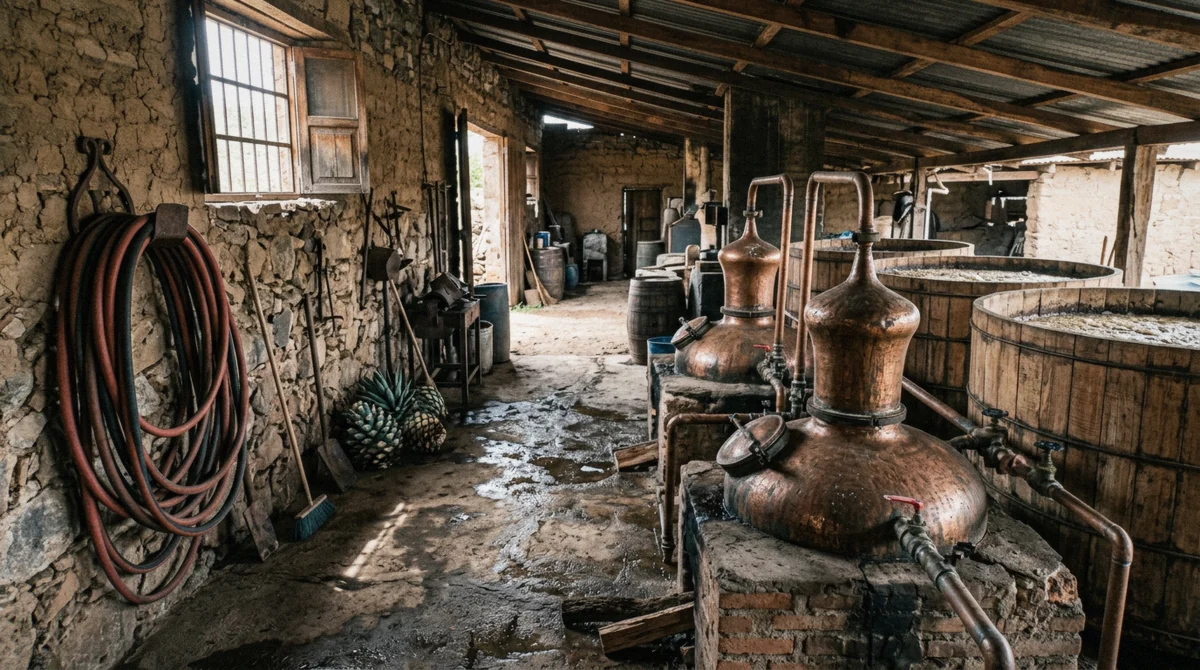
Fortaleza, made at the Los Abuelos distillery in Tequila, is the reference point for ancestral production, stone tahona, wooden fermenters, copper pot stills, and a refusal to industrialise that the family states openly. Its visits run under the Los Abuelos and Bisabuelo names, they are small, and spaces per shift are limited enough that booking well ahead is the operator's own advice.
No group day trip on this site enters Fortaleza. It is reached on private tours, which run into the hundreds of dollars for two people. If Fortaleza is the reason for your trip, plan it separately and book first.
Cascahuín and El Tequileño
Cascahuín, at El Arenal, is the Rosales family distillery that turns up on best-in-the-world lists and does not behave like a visitor attraction. El Tequileño, in Tequila town, is where the batanga was born and still runs the tanks and barrel rooms that made it. Both take visitors mainly through private tours rather than a ticket window.
That is worth knowing before you build a day around either: they are trips to arrange, not stops to add.
The artisanal floors the group tours use
Between the brands and the collectors' names sits a third group, and it is where the value is. Tequila Selecto de Amatitán takes the premium route and the pairings day, with a seated copita tasting and food pairing included in the $65 fare. Tequila Tres Mujeres takes the small-group day into an underground cellar for $47. The barrel-ride day uses a 100% agave artisanal tequilera and adds a live agave harvest demonstration.
None of these charges you separately. The distillery entry is inside the tour price, which is the practical reason most first-time visitors see more of the process on a $47 group tour than on a MX$345 brand ticket.
Choosing Between Them
Three honest questions.
Do you want the name, or the process?
A brand distillery gives you the history, the scale and the bottle you recognise. An artisanal floor gives you the oven, the fermentation smell and a guide who is often related to the owner. Both are real tequila; they are simply different afternoons, and the comparison table on the homepage sorts the day trips by which one they enter.
If you can only do one, and you have never seen tequila made, the small floor teaches more.
How are you getting there?
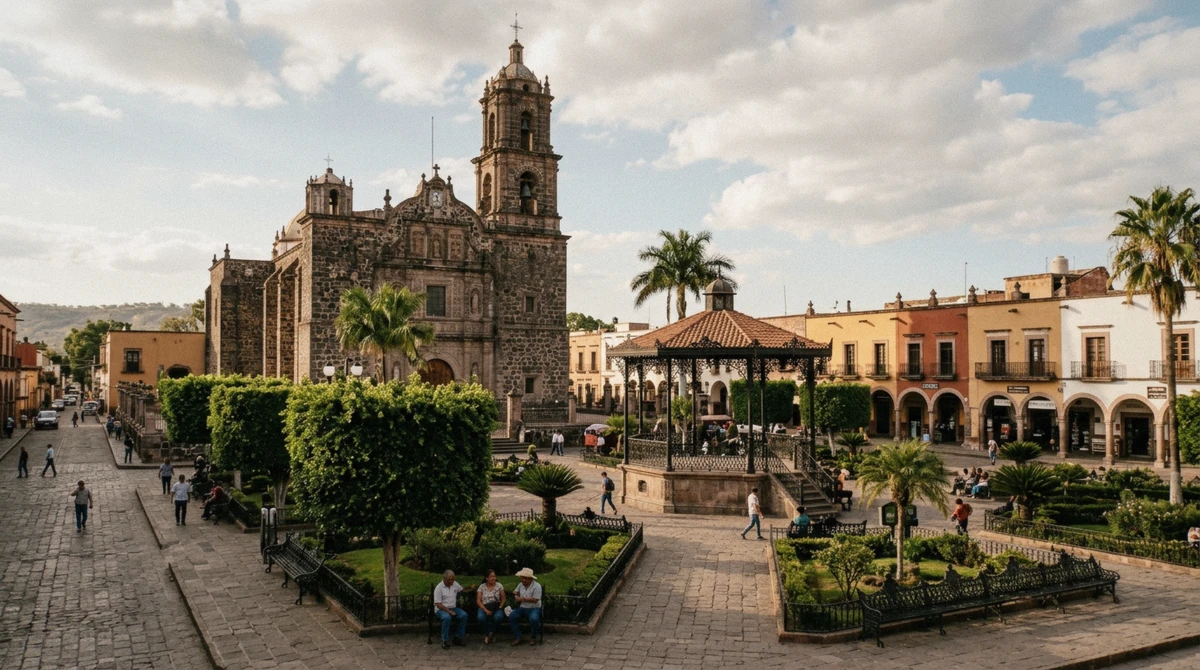
Without a car, the town is the constraint. La Rojeña and El Tequileño are inside Tequila and walkable from the bus stop; Herradura, Cascahuín and the agave fields are not. The transport options, priced sets out what the bus, an Uber and the trains actually cost.
With a tour, none of that is your problem, but you visit the distillery the operator has a relationship with, not the one you picked.
What about the museum?
The Museo Nacional del Tequila, on Ramón Corona in the centre of Tequila, charges MX$20 for adults and MX$10 for children up to 12 and opens 10:00 to 18:00 daily, holidays included. It is not a distillery and takes under an hour, but for MX$20 it fills the gap in most group tours' free time.
The Distilleries, Side by Side
Six names worth knowing, with what they charge, where they actually are and how you get in. Everything below is the venue's own published price or the access route the operators use.
Who takes visitors, and how
Walk-in means you can turn up and buy a ticket during opening hours. Tour-only means the realistic access is a booked group or private tour.
| Distillery | Where | Own ticket | How most visitors get in |
|---|---|---|---|
| La Rojeña (José Cuervo) | Tequila town centre | MX$345 adult, MX$80 minor | Walk-in, or the factory day trip |
| Casa Herradura | Amatitán | MX$380 with tastings | The hacienda day trip; hard to reach otherwise |
| Casa Sauza | Tequila town | Bundled into the Tequila Express | The train, or the exteriors on foot |
| Tequila Selecto | Amatitán | Not sold separately | Included on the premium routes |
| Tres Mujeres | Near Tequila | Not sold separately | Included on the small-group day |
| Fortaleza | Tequila town | Limited places per shift | Booked well ahead, usually a private tour |
Reading a label before you buy
Every legitimate bottle carries a NOM number identifying the distillery that made it, and the words 100% agave if nothing but Agave tequilana Weber blue went into the sugars. Mexican standard NOM-006-SCFI-2012 allows as little as 51% agave in a mixto, and the difference is the first thing any decent tasting teaches.
The denomination of origin covers 181 municipalities across five states, so a bottle made in Guanajuato or Nayarit is still legally tequila. What it is not is from this valley.
Questions About Visiting Distilleries
Can you visit a tequila distillery in Jalisco?
Yes. The brand houses sell their own tickets, La Rojeña's Classic Experience is MX$345 for adults and MX$80 for minors, Casa Herradura's hacienda tour with tastings is MX$380 hourly from 10:00. The small producers such as Fortaleza take visitors in limited numbers and expect a booking, usually through a private tour.
What is the best distillery tour in Tequila?
It depends what you want. For the history and the famous name, La Rojeña under José Cuervo, running since 1795. For the ancestral process, Fortaleza, if you can book it. For value, the artisanal floors that come free inside a $47 to $65 group day trip, such as Tequila Selecto or Tres Mujeres. Every day trip compared.
Which town in Mexico is best for visiting tequila distilleries?
Tequila itself, in Jalisco, with Amatitán and El Arenal next door, the three sit inside the agave landscape UNESCO inscribed in 2006. Guadalajara is the base most visitors use, an hour away by road, and the day trips run daily from there.
How much does a distillery tour cost?
MX$345 at La Rojeña, MX$380 at Casa Herradura, and nothing extra on a group day trip, where the distillery entry sits inside a fare of $46 to $89. Private tours to the collectors' distilleries such as Fortaleza and Cascahuín run into the hundreds of dollars.
Do I need to book in advance?
For the brand houses, generally no, they run scheduled tours through the day. For Fortaleza, yes: places per shift are limited and the advice is to book well ahead. Group day trips from Guadalajara can be booked days ahead and cancelled free up to 24 hours before.
Can I visit distilleries without a tour?
In Tequila town, yes, La Rojeña and El Tequileño are walkable from the bus stop and the town centre. Outside it, no: Casa Herradura is in Amatitán and Cascahuín is at El Arenal, and public transport does not serve either well. The transport comparison.
How long does a distillery tour take?
La Rojeña's Classic Experience runs 45 minutes to an hour; Casa Herradura's hacienda tour with tastings takes roughly an hour and a half with the grounds; the artisanal visits inside the group day trips run an hour and a half to two hours, because the tasting is longer and the group is smaller. Nothing here needs a full day unless you are booking one of Mundo Cuervo's specialist sessions.
Which distillery is best for a first visit?
If you have never seen tequila made, an artisanal floor teaches more per minute: the oven, the mill, the open fermenters and the still are within a few steps of each other and the guide has time for questions. If the bottle on your shelf at home is the reason for the trip, go to that brand's house instead. The day trips are sorted by which distillery they enter.